November 2, 2026
Ungated Wholesale Suppliers for Amazon: Your Path to Category and Brand Approval
By Arbitrion Editorial Team · 8 min read
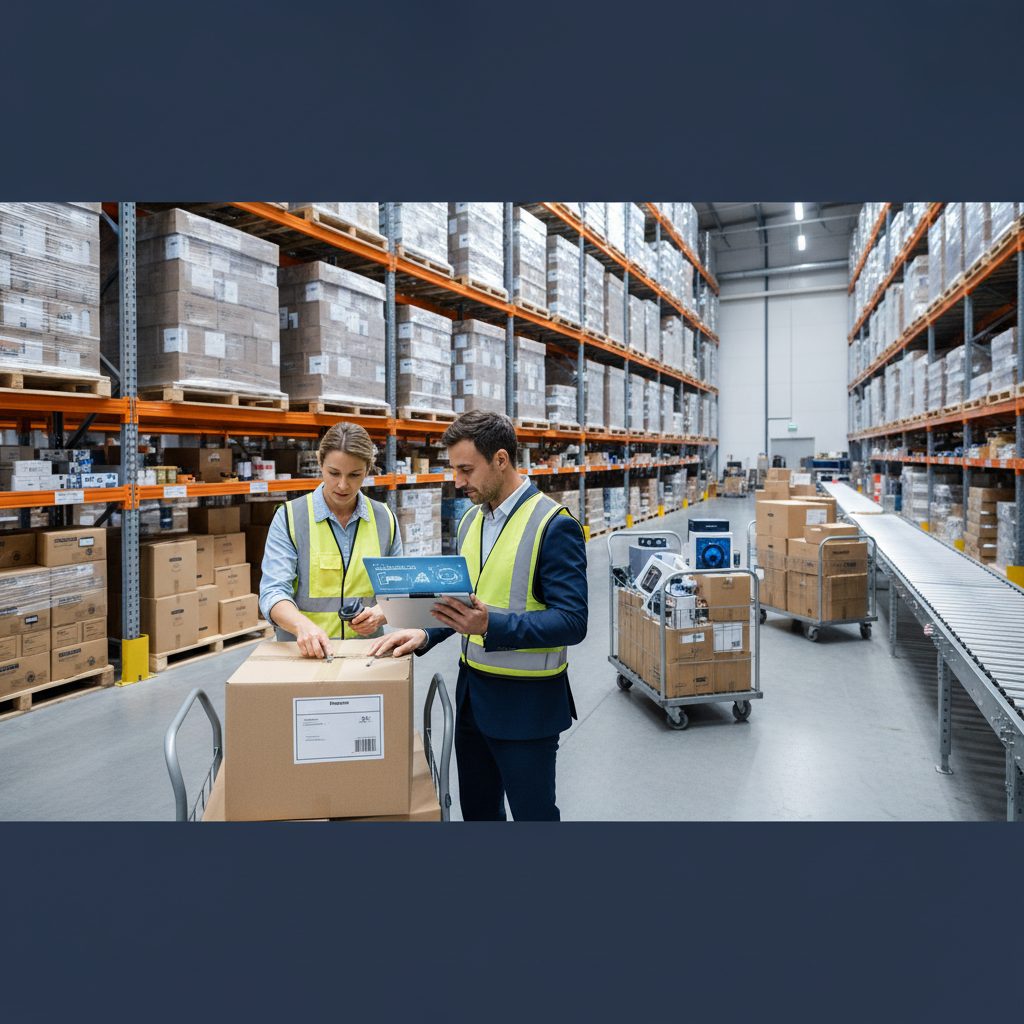
Navigating the Amazon marketplace as a seller involves understanding various operational aspects, from sourcing products to managing inventory and fulfilling orders. For many, the wholesale model presents a compelling opportunity, allowing sellers to purchase products in bulk directly from manufacturers or authorized distributors for resale. A critical component of success in wholesale, particularly on Amazon, often involves understanding and addressing "gated" categories or brands.
"Ungated wholesale suppliers" refers to the strategic process of finding wholesale partners whose products, and the associated purchasing documentation, enable you to gain approval to sell in restricted categories or for specific brands on Amazon. This approach is fundamental for building a compliant and scalable Amazon FBA business.
The Foundation of Wholesale on Amazon: Understanding Requirements and Benefits
Wholesaling involves purchasing products in large quantities from a supplier at a reduced price and then reselling them to individual customers at a higher retail price. On Amazon, this business model is explicitly permitted, allowing sellers to source products from third-party brands or other suppliers Amazon reselling guidance. A wholesaler acts as a middleman, acquiring goods from manufacturers and distributing them to businesses like yours. This arrangement can offer several advantages:
- Bulk Discounts: Purchasing in volume typically leads to lower per-unit costs, enhancing potential profit margins.
- Established Products: Many wholesale products are already recognized brands with existing demand, reducing the need for extensive product development or brand building.
- Repeat Business Potential: Once a successful product is identified, establishing a relationship with a reliable wholesaler can lead to consistent inventory and predictable sales.
- Simplified Logistics: Wholesalers handle the initial sourcing from manufacturers, allowing sellers to focus on sales and fulfillment.
To engage in wholesale on Amazon, sellers typically need to establish a registered business entity, such as an LLC, and obtain a tax identification number. A Professional selling account on Amazon is also highly recommended, as it provides access to tools for bulk listings, inventory management, and other features beneficial for high-volume sales Amazon pricing information.
Wholesalers themselves can vary in their focus. Some are general merchandise wholesalers, offering a broad array of products, while others specialize in specific product lines or genres. There are also regional or local wholesalers, and increasingly, online wholesalers who manage their entire operation digitally, catering to e-commerce businesses Amazon reselling guidance. Understanding these distinctions can help in targeting the right partners for your specific product interests.
Navigating Amazon's Gating System: How Wholesale Sourcing Provides a Path to Approval
Amazon implements "gating" or restrictions on certain product categories, brands, or types to maintain product quality, ensure authenticity, and protect intellectual property rights. For a new seller, or even an experienced one looking to expand into new areas, encountering a gated product can be a significant hurdle. Common gated categories might include certain luxury brands, health and beauty products, or specific electronics.
The primary method for gaining approval, or "ungating," for many of these restricted items is by providing Amazon with proof of legitimate sourcing. This is where wholesale suppliers become indispensable. Amazon requires documentation that demonstrates your products are authentic and purchased through an authorized supply chain. Specifically, if a product requires approval, you will typically need a purchase invoice from a manufacturer or an authorized distributor, or a letter from the brand granting you permission to sell their products Amazon reselling guidance.
Amazon's guidelines for acceptable invoices are precise. To ensure your documentation meets these requirements, look for invoices that include:
- Supplier Information: The name, address, and contact details of the manufacturer or authorized distributor.
- Itemized Product List: A clear breakdown of the products purchased, including their quantity.
- Recent Date: The invoice date should typically be within the last 180 days.
- Your Business Information: Your name and address, matching the information registered in your Amazon selling account.
- Minimum Unit Purchase: Often, Amazon requires a combined purchase of at least 10 units of the product you wish to sell.
It is crucial to understand that retail receipts from stores or liquidation invoices are generally not accepted for ungating purposes. Amazon's focus is on verifying a direct and legitimate supply chain from the brand or its authorized wholesale channels. This emphasis on verifiable sourcing underscores why establishing relationships with reputable wholesale suppliers is a cornerstone of successfully navigating Amazon's gating system.
Practical Steps to Identify and Engage Ungating-Friendly Wholesale Suppliers
Finding the right wholesale suppliers, especially those who can facilitate ungating, requires a systematic approach. Your goal is to identify partners who not only offer competitive pricing but also provide the necessary documentation to satisfy Amazon's stringent requirements.
- Product and Category Research:
Begin by identifying the specific products or categories you are interested in selling. Utilize Amazon's own tools, such as Amazon Best Sellers or the Product Opportunity Explorer, to gauge demand and identify trending items Amazon reselling guidance. Once you have a target product or brand, check its selling restrictions in Seller Central to confirm if it is gated and what specific documentation Amazon requires for approval.
- Identifying Potential Suppliers:
- Direct Brand Contact: The most direct route is often to contact the brand owner or manufacturer directly. They can provide a list of their authorized distributors or indicate if they sell directly to retailers.
- Trade Shows: Both physical and virtual trade shows are excellent venues for connecting with manufacturers and distributors. These events allow you to meet suppliers face-to-face, discuss terms, and understand their product lines.
- Industry Directories: Online and offline directories specific to your niche can list numerous wholesalers. Examples include Worldwide Brands, SaleHoo, or specific industry associations.
- Online Search: While less direct, targeted online searches can yield results. Be specific in your search terms, e.g., "wholesale distributor [brand name]" or "authorized supplier [product category]."
- Vetting Suppliers for Ungating Capabilities:
Once you have a list of potential wholesalers, thorough vetting is essential. Beyond standard checks for reliability and pricing, focus on their ability to support your ungating efforts:
- Authorization: Confirm they are an authorized distributor for the brands you intend to sell. This is paramount for Amazon's approval process.
- Invoice Compliance: Explicitly ask if they can provide invoices that meet Amazon's requirements. Clarify that the invoice must include all necessary details: supplier's full contact information, an itemized list of products, the purchase date, your business details, and sufficient quantity (e.g., at least 10 units).
- Brand Authorization Letters: For some highly restricted brands, Amazon might require a letter of authorization directly from the brand owner. Inquire if the wholesaler can facilitate this or if they can provide a direct contact at the brand for such a letter.
- Minimum Order Quantities (MOQs): Discuss their MOQs. Ensure they are manageable for your business and allow you to meet Amazon's minimum unit purchase requirement for ungating.
- Communication and Support: Assess their responsiveness and willingness to assist with documentation. A good supplier will understand the needs of Amazon sellers.
- Test Orders: Consider placing a small initial order to evaluate their product quality, shipping efficiency, and, most importantly, the quality and compliance of their invoice. This "sample before you buy" approach is a recommended practice Amazon reselling guidance.
For more detailed guidance on vetting suppliers, you may find our article Amazon FBA Wholesale Distributors USA: Finding and Vetting Suppliers a useful resource. Arbitrion also offers various tools and resources to assist sellers in their product research and supplier identification journey. You can explore more about these capabilities on our Arbitrion product information page.
Hypothetical Worked Example: Securing Approval for a Gated Brand
To illustrate the process of working with ungated wholesale suppliers, let's consider a hypothetical scenario:
Scenario: A seller, "Prime Retail Solutions," wants to expand their Amazon FBA business by selling "Everest Outdoor Gear" brand hiking backpacks. After researching, Prime Retail Solutions discovers that "Everest Outdoor Gear" is a gated brand on Amazon, requiring approval to sell.
Step 1: Product Research and Gating Check Prime Retail Solutions uses Amazon's Product Opportunity Explorer to confirm strong demand for Everest Outdoor Gear hiking backpacks. They then attempt to list an Everest backpack in Seller Central and are prompted with a "Show limitations" message, indicating that brand approval is required. The message specifies that Amazon needs a commercial invoice from an authorized distributor or a letter of authorization from the brand.
Step 2: Identifying an Authorized Wholesale Distributor Prime Retail Solutions contacts Everest Outdoor Gear directly through their official website, explaining their interest in becoming an authorized reseller for Amazon FBA. Everest Outdoor Gear provides a list of their authorized wholesale distributors, including "Summit Supply Co."
Step 3: Vetting Summit Supply Co. Prime Retail Solutions contacts Summit Supply Co. They verify Summit Supply Co.'s business license and ask about their experience working with Amazon sellers. Crucially, they confirm that Summit Supply Co. is an authorized distributor for Everest Outdoor Gear and can provide commercial invoices that meet Amazon's requirements. Summit Supply Co. confirms their invoices include:
- Their full company name, address, and contact details.
- An itemized list of Everest Outdoor Gear backpacks with quantities.
- Invoice dates within the last 180 days.
- Prime Retail Solutions' registered business name and address.
Summit Supply Co. also informs Prime Retail Solutions about their MOQ of 15 units for Everest Outdoor Gear products.
Step 4: Placing a Test Order To test the process and obtain a compliant invoice, Prime Retail Solutions places a small order of 15 Everest Outdoor Gear hiking backpacks from Summit Supply Co. They receive the shipment along with a detailed commercial invoice.
Step 5: Submitting for Amazon Approval (Ungating) With the compliant invoice in hand, Prime Retail Solutions returns to Seller Central. They navigate to the "Add Products" section, search for an Everest Outdoor Gear backpack, click "Apply to Sell," and upload the invoice from Summit Supply Co. They ensure all details on the invoice match their Amazon seller account information.
Step 6: Approval and Scaling Within a few days, Amazon reviews the documentation and grants Prime Retail Solutions approval to sell Everest Outdoor Gear products. With the brand now "ungated," Prime Retail Solutions can confidently place larger orders with Summit Supply Co., list the products, and leverage Amazon FBA for fulfillment, knowing their supply chain is legitimate and approved.
This hypothetical example demonstrates how a strategic approach to finding and vetting wholesale suppliers, with a clear understanding of Amazon's ungating requirements, can unlock new opportunities for Amazon FBA sellers.
By focusing on legitimate wholesale sourcing, sellers can not only access competitive pricing and established products but also build a robust, compliant business that can navigate Amazon's selling restrictions effectively. The effort invested in finding the right ungated wholesale suppliers is a foundational step towards sustainable growth on the platform.
FAQ
What does "ungated" mean on Amazon?
On Amazon, "ungated" refers to gaining approval to sell products in categories or from brands that Amazon has restricted, or "gated." These restrictions are often in place to ensure product authenticity, quality, and compliance with intellectual property rights. To get ungated, sellers typically need to provide specific documentation, such as legitimate invoices from authorized distributors or manufacturers.
How do wholesale suppliers help with Amazon ungating?
Wholesale suppliers are crucial for Amazon ungating because they provide the legitimate purchase invoices that Amazon often requires for approval. When you buy products in bulk directly from an authorized wholesaler or distributor, you receive an invoice that serves as proof of authenticity and a valid supply chain. This documentation is essential for demonstrating to Amazon that your products are genuine and sourced responsibly.
What should I look for in a wholesale supplier to help with ungating?
When seeking a wholesale supplier for ungating purposes, prioritize those who are authorized distributors for the brands you wish to sell. Ensure they can provide detailed invoices that include their business information, an itemized list of products, the purchase date (typically within the last 180 days), and your business details. It's also beneficial if they have a track record of working with Amazon sellers and understand the documentation requirements.
Is it necessary to have a Professional selling account for wholesale on Amazon?
While you can operate with an Individual selling plan, a Professional selling account is generally recommended for wholesale on Amazon. A Professional plan offers a flat monthly fee instead of a per-item fee, and it unlocks essential tools and features like bulk listing, inventory management, and access to programs like Amazon Business, which can be highly beneficial for a wholesale model [Amazon pricing information](https://sell.amazon.com/pricing).
Can I use retail receipts for ungating with wholesale suppliers?
No, retail receipts are generally not accepted by Amazon for ungating purposes. Amazon typically requires commercial invoices from authorized manufacturers or distributors to verify the authenticity and source of products. Retail receipts, often from stores like Walmart or Target, do not provide the necessary proof of a legitimate wholesale supply chain.
About the author
Arbitrion Editorial Team — the team behind Arbitrion's daily lead list. Our guides explain sourcing concepts and workflows. Worked examples are illustrative unless a source is cited, and Amazon fees, tool prices and policies change, so confirm current details with Amazon and each vendor before you buy.
Get tomorrow's verified leads
Hand-researched, Keepa-verified, retired after 3 confirmed buyers.
See pricing